
 EN
 AR
 BG
 CS
 DA
 NL
 FI
 FR
 DE
 EL
 HI
 IT
 JA
 KO
 NO
 PT
 RU
 ES
 SV
 TL
 ID
 LV
 UK
 VI
 GL
 HU
 TH
 TR
 AF
 MS
 GA
 BE
 BN
 EO
 JW
 LA
 MN
 MY
 UZ
 GD

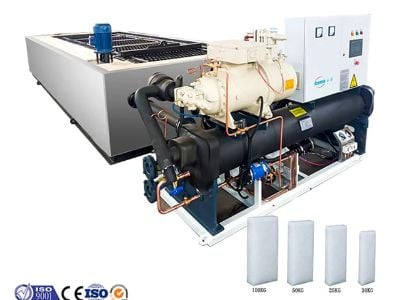
In the field of refrigeration technology, the automation level in modern ice block machine production lines plays a crucial role in determining efficiency, cost-effectiveness, and product quality. As businesses look to optimize their ice production processes, understanding how various automation levels affect operations becomes paramount. This article will help B2B buyers, particularly purchasing managers and engineers, assess their options when comparing automation levels in ice block machine production lines, as well as provide practical insights into making informed purchasing decisions.
What to Look for in Ice Block Machines?
When evaluating ice block machines, buyers should consider several key specifications and features that impact performance and suitability for their specific application. First, assess the production capacity, which typically ranges from a few tons to several metric tons per day. This determination will depend on your operational scale and the demand for ice in your market. Next, consider the type of ice produced (e.g., block ice, flake ice, or slurry ice) and its intended applications. For instance, block ice is commonly used in food preservation and shipping, while flake Ice block machine is ideal for use in seafood markets and food processing. Each type has its unique production methods and operational requirements. Material selection is also critical; stainless steel is often preferred for components in contact with water due to its resistance to corrosion and durability. Additionally, examine the machine’s energy efficiency and operating costs, as these factors can significantly affect the overall cost of ownership. Lastly, ensure that the machine complies with relevant industry standards and certifications, as this can impact its acceptance in certain markets.
How to Choose the Right Automation Level for Ice Block Production?
Choosing the appropriate automation level for ice block production lines depends on several factors, including production scale, labor costs, and operational complexity. Automated machines typically reduce the need for manual labor, leading to higher efficiency and consistent product quality. However, they require a larger initial investment. For small operations or startups, semi-automated machines may be more suitable, allowing businesses to gradually scale production while keeping labor costs manageable. These Direct cooling ice block machine often combine automated features with manual oversight, providing a balanced approach to production. For larger enterprises with high production demands, fully automated systems can optimize workflow and minimize human error. Features like automated loading and unloading, real-time monitoring, and advanced controls enhance efficiency and reduce downtime. Ultimately, the decision should align with your operational goals, workforce capabilities, and financial resources. It’s advisable to conduct a thorough cost-benefit analysis, factoring in long-term savings from reduced labor and improved efficiency.
Automation vs. Manual Production in Ice Block Systems
The choice between automated and manual production methods in ice block systems can significantly influence operational efficiency and product consistency. Manual production typically involves more labor and can lead to variations in quality and output due to human factors. It may also be slower, which can limit production capacity and responsiveness to market demands. In contrast, automation streamlines the production process, allowing for faster output and more consistent quality. Automated systems often come equipped with advanced technology, such as sensors and control systems, which can adjust processes in real time based on varying conditions. This reduces the likelihood of errors and improves overall product quality. However, it’s essential to consider the upfront investment required for automation. While it may result in lower operational costs and higher efficiency over time, businesses must evaluate whether the initial cost is justifiable based on their production needs and market conditions.
Where to Source Reliable Suppliers of Automated Ice Block Equipment?
Sourcing reliable suppliers for automated ice block equipment requires thorough research and evaluation. Start by compiling a list of manufacturers that specialize in refrigeration technology, particularly those with a strong track record in producing ice-making machinery. Check for industry certifications and standards compliance, which can indicate a manufacturer’s commitment to quality and safety. Additionally, reading customer reviews and testimonials can provide insight into the supplier's reliability and customer service. It is also beneficial to assess a supplier’s manufacturing capabilities and production processes. A supplier with a robust quality control system and proven technological expertise will be better positioned to meet your specific requirements. Finally, consider engaging with suppliers through trade shows or industry events, where you can see equipment demonstrations and discuss your needs directly with manufacturers. This approach fosters relationships and allows you to gather firsthand information about product performance and service options.
How Automation Enhances Ice Block Production?
Automation significantly enhances ice block production by improving efficiency, consistency, and safety. Automated systems can operate continuously with minimal downtime, maximizing output while minimizing human intervention. This leads to reduced labor costs and the ability to meet higher production demands. Moreover, automation allows for better control over the production process. Advanced monitoring systems can track temperature, pressure, and other critical parameters in real time, ensuring optimal conditions for Commercial ice block machine formation. This level of precision can enhance the quality of the ice produced, reducing the likelihood of defects or inconsistencies. Furthermore, automated systems often integrate with data management software, enabling manufacturers to analyze production metrics and make informed decisions about operations. This capability leads to continuous improvement, optimizing workflows and reducing waste. In summary, when comparing automation levels in modern ice block machine production lines, it is essential to evaluate the specific needs of your operation and the potential benefits of each automation level. By considering factors such as production capacity, material selection, and supplier reliability, businesses can make informed decisions that enhance their ice production processes and ultimately contribute to their success in the market.


