
 EN
 AR
 BG
 CS
 DA
 NL
 FI
 FR
 DE
 EL
 HI
 IT
 JA
 KO
 NO
 PT
 RU
 ES
 SV
 TL
 ID
 LV
 UK
 VI
 GL
 HU
 TH
 TR
 AF
 MS
 GA
 BE
 BN
 EO
 JW
 LA
 MN
 MY
 UZ
 GD

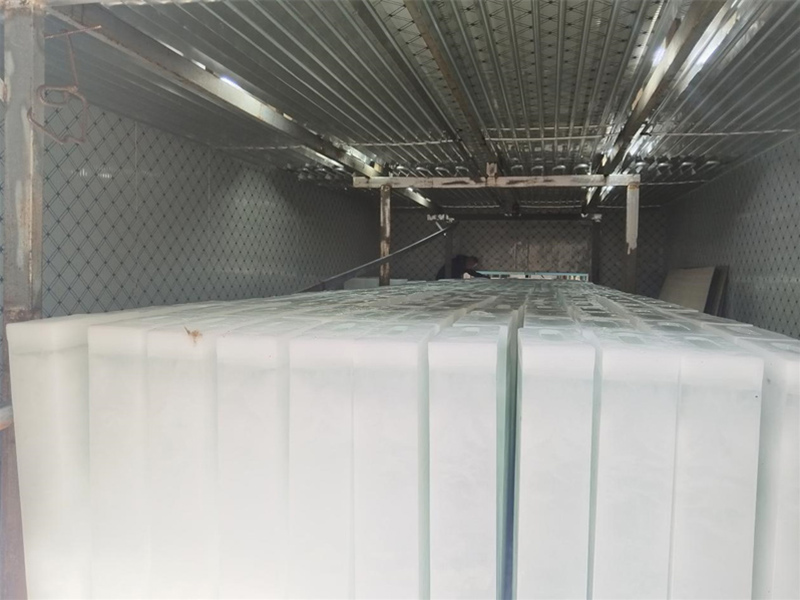
Ice cube machines are essential to the proper operation of a seafood plant's cold chain, particularly in such a high-speed industry. But as these machines start to malfunction, the consequences are far-reaching and can affect the quality of the product as well as the efficiency of the operations. This article offers a look at how a simple ice cube machine can have a stealthy impact on a busy seafood plant's cold chain, and answers some important questions for purchasing managers and operators in the seafood business.
What Failing Ice Cube Machines Mean for Seafood Cold Chains?
The cold chain integrity is a critical aspect in the operation of a seafood processing plant, where the food product is required to keep fresh from harvest to the consumer. Large ice cube makers are integral to this process as they are used to produce ice cubes that have the right cooling effect to help maintain seafood quality. Several problems arise when the these machines break down:
Temperature Fluctuations: Ice cube machine can malfunction, causing too much or too little cooling to cause temperature fluctuations, which affects quality and safety of seafood products. This may cause spoilage and loss of product integrity.
Increased Operational Costs: The need for emergency repairs or replacements can substantially increase operational costs. Moreover, once seafood becomes contaminated, the financial damages can compound because of waste and/or regulatory fines.
Disruption in Supply Chain: Any delays in production due to equipment failure can disrupt the supply chain, leading to missed deliveries and dissatisfied customers. This can affect the reputation of the market and customer's trust and confidence in the market.
The implications of this point highlight the need to choose a dependable ice cube machine and keep it well serviced.
Quality and Reliability Factors
When choosing an ice cube machine for seafood, quality and reliability are key. Key factors include:
Material Durability: Stainless steel is commonly used in ice cube machines due to its resistance to corrosion and ability to handle the intense cleaning required in seafood processing.
Energy Efficiency: With the running costs of refrigeration, the energy-efficient models can save in the electric bills without compromising performance.
Output Capacity: Machines should be able to fulfil the maximum demand of the plant. A key point of assessment to be considered when choosing the right machine is to estimate the expected ice production according to the production schedule.
Ease of maintenance: Easier to maintain machines can mean fewer downtimes and lower repair costs. It is essential to have regular maintenance schedules set to ensure optimal performance.
Investing in high-quality ice cube machines that offer reliability can pay long-term dividends in a seafood processing environment.
Cost Considerations for Bulk Ice Cube Machine Purchases
To purchase bulk ice cube machines, the following cost considerations should be taken into account:
There are a number of factors to consider when buying ice cube machines wholesale:
Initial Purchase Price vs. Total Cost of Ownership: The cost of ownership is an important consideration beyond the initial purchase price, including energy costs, maintenance, and possible downtime.
Long-Term Warranty Options: A robust warranty can protect against unforeseen failures and reduce overall costs. When comparing machines, buyers should check out the warranty length and coverage.
Financing and Leasing Options: For some companies, financing or leasing can also be easier to handle when it comes to acquiring high quality industrial ice cube machines, as this allows for the cost to be spread out over time.
Bulk Purchase Discounts: Companies should inquire about discounts for bulk purchases, which can significantly decrease the overall expenditure.
In the interest of buyers, it is recommended that a thorough cost analysis be done, taking these factors into account.
When Your Ice Cube Machine Fails: Check These Common Problems First
If your ice cube machine malfunctions and starts to impact your operation in ways described above, don't panic—don't assume the worst. Don't fret over the afternoon's production, or think you need to make a diagnosis of total failure, until you ask yourself if one of these common issues is at the root of the problem. Often times, the diagnosis and solution is straightforward and simple, and the cost of downtime and product loss can be avoided.
Mineral Build-up: Ice Machines can become clogged with mineral build-up, this can inhibit the flow of water. This problem can be avoided through regular maintenance and descaling solutions, and if it is detected early it may be possible to restore normal operation within an hour using a descaling flush.
Electrical Failures: Power surges or faulty wiring can cause electrical failures. Be sure to inspect breakers and surge protectors, and use a surge protector to reduce this risk in the future.
Temperature Inconsistencies: When the machine is having trouble to maintain the set temperature, it could mean that there is a refrigerant leak or there are problems with the compressor. It's important to have it inspected and repaired on a regular basis, but sometimes, a quick look at the settings and airflow could be enough to clear up what appears to be an issue.
Ice Quality Issues: Water quality or machine maintenance can be the cause of poor ice quality. This is a concern that can be reduced by utilizing high-quality water and by regular cleaning.
By familiarizing themselves with these common problems and their solutions, operators can keep their ice cube machines operating efficiently and reduce downtime, making it a minor and short disruption on a busy afternoon.
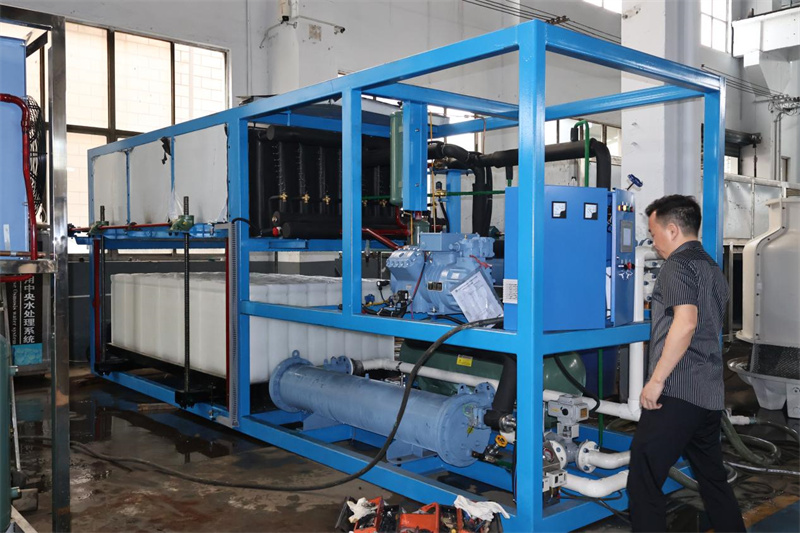
Understanding the Role of Ice Cube Machines in Cold Chain Management
Ice Cube Machines play a crucial role in the safety and quality of products within the cold chain system. These machines play a part in the following activities:
Rapid Cooling: Ice cube machines offer fast and effective cooling, which is vital for maintaining seafood freshness. Cooling quickly helps reduce bacterial growth and by keeping the product cooler for a longer time, the shelf life is prolonged.
Flexibility in Application: Ice can be used for cooling, packing and transporting seafood. This gives ice cube machines a broad scope of application in the cold chain.
Integration with Other Systems: Today's ice cube machines can be connected to other refrigeration systems and monitoring tools, giving the user real-time monitoring of ice cube machine temperatures and operation.
In seafood processing facilities, ice cube machines play a complex role in cold chain management, and maximizing the efficiencies of these operations and equipment can result in higher quality products and more effective strategies.
Recognizing the critical function of ice cube machines in seafood cold chains is essential for maintaining product quality and operational efficiency. By addressing potential failures, investing in high-quality machines, and understanding the associated costs, purchasing managers can ensure that their operations remain smooth and profitable.


