
 EN
EN
 AR
AR
 BG
BG
 CS
CS
 DA
DA
 NL
NL
 FI
FI
 FR
FR
 DE
DE
 EL
EL
 HI
HI
 IT
IT
 JA
JA
 KO
KO
 NO
NO
 PT
PT
 RU
RU
 ES
ES
 SV
SV
 TL
TL
 ID
ID
 LV
LV
 UK
UK
 VI
VI
 GL
GL
 HU
HU
 TH
TH
 TR
TR
 AF
AF
 MS
MS
 GA
GA
 BE
BE
 BN
BN
 EO
EO
 JW
JW
 LA
LA
 MN
MN
 MY
MY
 UZ
UZ
 GD
GD

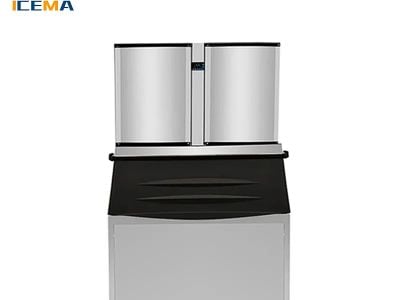
An Ice Machine China Factory Already Shipping to 130 Countries Beats a Local Broker on Every Project Spec
When sourcing industrial ice machines, purchasing managers and distributors often face the challenge of balancing quality, reliability, and cost-effectiveness. A reputable ice machine factory like Shanghai Icema Refrigeration Technology Co., Ltd., which has experience shipping to 130 countries, offers a diverse range of refrigeration systems, including block, flake, and slurry ice machines. This article delves into essential factors for B2B buyers, helping them navigate the complexities of selecting the right ice machine for their specific needs while ensuring they make informed purchasing decisions.
Understanding the Quality Standards of Ice Machines for Wholesale Buyers
Quality standards for crushed ice maker are paramount in ensuring longevity, efficiency, and compliance with international safety regulations. Buyers should consider several key specifications, such as material quality, energy efficiency ratings, and operational reliability.
For instance, ice machines constructed with corrosion-resistant stainless steel are preferable as they ensure durability in various operating environments. Additionally, adherence to certifications like CE and ISO can indicate compliance with safety and quality benchmarks, offering peace of mind to buyers. Understanding these standards helps buyers avoid costly mistakes, such as sourcing machines that may not perform adequately under their specific operational conditions. 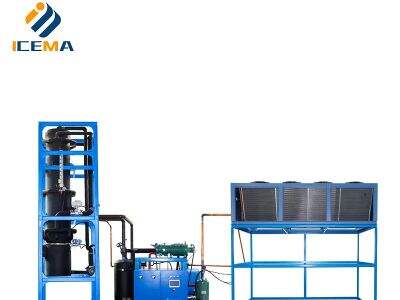
How to Choose the Right Ice Machine for Your Application Needs
Selecting the appropriate ice machine hinges on understanding the specific application requirements. Factors like production capacity, ice type (block, flake, or slurry), and temperature specifications play crucial roles. For example, flake ice machines are ideal for applications requiring rapid cooling, such as in fish processing, whereas block ice machines are more suited for larger cold storage facilities.
Buyers should also assess their volume needs—machines can range from small-scale units producing hundreds of kilograms per day to industrial-scale systems exceeding tons per day. Evaluating how the machine will integrate into existing workflows and its compatibility with other equipment is essential for maximizing operational efficiency. Collaboration with the manufacturer to clarify these specifications can significantly enhance purchasing decisions.
Key Factors for Importers
For importers, several factors influence the purchasing process for ice machines. First, understanding import regulations, tariffs, and shipping logistics is essential to avoid unexpected costs. Importers should also inquire about the manufacturer's production capacity and minimum order quantities (MOQ) to ensure that they can meet their demand without excessive lead times.
Another critical factor is the manufacturer’s experience in international markets. Companies like Shanghai Icema, with a robust export portfolio and established logistical partnerships, can offer insights into the best shipping methods and compliance with local regulations. Engaging with manufacturers who have a proven track record can streamline the import process and reduce potential complications.
Installation Tips for Efficient Operation of Industrial Ice Machines
Proper installation is vital for ensuring the efficient operation of industrial ice machines. Buyers should consider the following tips:
Site Preparation: Ensure the installation site is clean, level, and free of debris. Adequate space for maintenance and ventilation is also essential to prevent overheating and ensure optimal performance.
Electrical and Water Supply: Confirm that all electrical connections meet the machine's specifications. A consistent water supply with appropriate pressure and temperature is crucial, especially for machines that require specific conditions for optimal ice production.
Test Runs: Before full-scale operation, conducting test runs can help identify any immediate issues. This allows for fine-tuning settings and ensures the machine operates efficiently from the start.
Training: Proper training for staff on operating and maintaining the ice machine can prevent common operational issues and extend the equipment's lifespan.
By following these installation best practices, buyers can ensure their Crushed ice machine operate at peak efficiency, minimizing downtime and maximizing productivity. 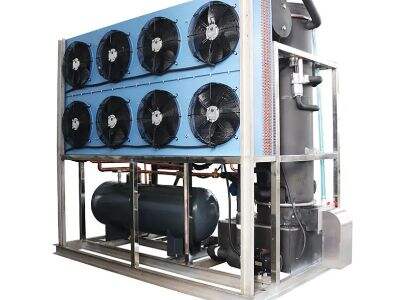
Common Issues with Ice Machines and Practical Solutions
Despite their robust design, ice machines can experience common issues that may affect performance. Here are a few prevalent problems and their solutions:
Ice Quality Issues: If the ice produced is cloudy or has an unusual taste, it may be due to poor water quality or inadequate filtration. Regular maintenance of water filters and using clean, potable water can help mitigate this problem.
Inconsistent Production: Fluctuations in ice production can result from improper temperature settings or a malfunctioning thermostat. Regularly checking and calibrating temperature controls can ensure consistent output.
Mechanical Failures: Components like compressors and evaporators may fail due to wear and tear. Implementing a routine maintenance schedule, including inspections and timely replacements of worn parts, can help prevent these issues.
Energy Efficiency Problems: If the machine is consuming more energy than expected, it may indicate a need for cleaning or servicing. Regular cleaning and ensuring that the machine is free from ice build-up can enhance energy efficiency.
Understanding these potential issues enables buyers to proactively address them, ensuring long-term satisfaction with their ice machines.
By considering these factors and utilizing the insights provided, B2B buyers can confidently navigate the complexities of selecting, purchasing, and maintaining industrial ice machines, ultimately leading to successful operational outcomes.


