
 EN
EN
 AR
AR
 BG
BG
 CS
CS
 DA
DA
 NL
NL
 FI
FI
 FR
FR
 DE
DE
 EL
EL
 HI
HI
 IT
IT
 JA
JA
 KO
KO
 NO
NO
 PT
PT
 RU
RU
 ES
ES
 SV
SV
 TL
TL
 ID
ID
 LV
LV
 UK
UK
 VI
VI
 GL
GL
 HU
HU
 TH
TH
 TR
TR
 AF
AF
 MS
MS
 GA
GA
 BE
BE
 BN
BN
 EO
EO
 JW
JW
 LA
LA
 MN
MN
 MY
MY
 UZ
UZ
 GD
GD

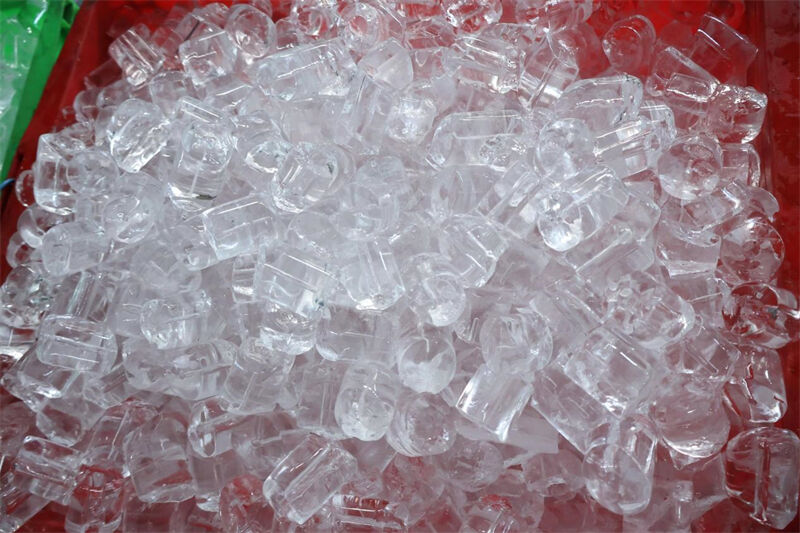
The Science Behind Clear Ice: Purity, Clarity, and Freezing Techniques
How the layered freezing process produces pure, transparent ice
The process for making clear ice involves something called directional freezing, basically when water starts to form crystals from just one side at temperatures between minus five and ten degrees Celsius. What happens next is pretty interesting actually. As the ice grows outward, all those little impurities and trapped air bubbles get pushed toward areas that haven't frozen yet, and eventually these get drained away. Most commercial operations rely on this layering technique to produce those beautiful, almost glassy ice cubes we see in fancy bars. These special cubes let about ninety percent more light pass through compared to regular ice, which is why bartenders love them so much for upscale drinks and presentations.
What makes ice clear: The role of mineral-free water and directional freezing
Two key factors determine optical clarity:
- Water purity: Reverse osmosis removes 94% of minerals that cause cloudiness
- Freezing direction: Vertical freezing isolates contaminants in liquid zones
A 2024 ice production study found filtered water reduces particulate matter by 89% compared to tap sources. When combined with directional freezing, this yields bubble-free ice with jewel-like transparency.
Air bubbles in ice affecting drink quality: Why cloudy ice compromises clarity
Cloudy ice contains 12–15 air bubbles/cm³ due to rapid freezing, increasing surface area by 40% (Beverage Science Institute 2023). This structural flaw accelerates melting by 35%, releases trapped minerals into drinks, and distorts visual presentation in cocktails. High-end bars report 28% fewer customer complaints about diluted beverages when using clear ice.
Density and clarity of clear ice: A marker of superior freezing techniques
Slow freezing produces ice with a density of 0.9 g/cm³—significantly higher than the 0.8 g/cm³ typical of regular ice—due to minimized air entrapment.
| Property | Clear Ice | Regular Ice |
|---|---|---|
| Air bubble content | <0.5% | 3–5% |
| Melting time | 2.3 hrs | 45 mins |
| Light transmission | 92% | 68% |
This enhanced density preserves carbonation in champagne 22% longer and reduces whiskey dilution by 40%, making it essential for luxury service.
Slow Melting Properties of Clear Ice and Beverage Integrity Preservation
Clear ice melts more slowly and lasts longer: The physics of reduced surface area
The dense molecular structure of clear ice results in 30% slower melting compared to standard cubes, preserving beverage temperature 50% longer according to thermal dynamics studies. Its lower surface area minimizes contact with warmer liquids, maintaining consistent chill without rapid water release—a direct result of directional freezing eliminating internal voids.
Minimizing dilution in premium cocktails with slow-melting clear ice
Bartenders have noticed around 22 percent less water mixing into drinks when they use clear ice instead of regular stuff. This means cocktails keep their original taste for longer periods during service, typically between 12 to maybe 18 minutes. Clear ice just doesn't melt all willy nilly because it's denser inside, so those fancy flavors from things like smoked syrup or bourbon washed with fat stay balanced without getting ruined. Most top notch cocktail spots these days stick to standardized 2 by 2 inch clear cubes specifically for making Old Fashioneds. The result? Alcohol content stays pretty consistent throughout drinking, varying less than 5% even as the glass empties out.
Case study: High-end bars reducing waste through extended ice longevity
Venues using commercial clear ice systems reduced daily ice consumption by 41% (Mixology Trends Report 2023), translating to $18,000 annual savings for 100-seat establishments. One NYC speakeasy documented 27% fewer drink returns due to temperature inconsistencies after switching to slow-melt ice—a change supported by profitability analyses in premium hospitality.
Enhancing Flavor and Sensory Experience in Premium Beverages with Clear Ice
Flavor matters: How impurities in cloudy ice alter taste perception
The cloudiness in ice isn't just cosmetic it actually holds onto minerals and gases that seep into whatever drink it's melting into over time. These impurities can mess with the taste profile pretty noticeably, particularly in lighter beverages where subtle flavors matter most. Think about how bad a glass of gin becomes when cloudy ice starts changing things up. According to a study published last year, nearly three quarters of people participating in taste tests were able to spot those unwanted flavor shifts caused by mineral rich ice cubes. That's pretty telling for anyone who cares about maintaining the original character of their cocktails or mixed drinks.
Benefits of clear ice for carbonated beverages: Preserving fizz and aroma
Clear ice doesn't melt as fast, so it doesn't stir up the drink or break down the structure of carbonated beverages. Research indicates that drinks chilled with clear ice hold onto their bubbles better, keeping about 22 percent more carbonation after half an hour than drinks with cloudy ice cubes. The aroma stays stronger too, around 19 percent more intense according to some tests. For people who serve champagne or specialty sodas, this matters a lot because how fizzy the drink looks and tastes really affects how good customers think it tastes overall.
Ice – the essential ingredient: Elevating whiskey, gin, and premium spirits
For premium spirits, ice must complement rather than compromise flavor. Clear ice‘s density enables melting that is 1.3x slower than standard cubes, gently opening aromas while preserving integrity. Bartenders note an 18% increase in customer satisfaction scores for neat whiskey presentations and gin-based cocktails when using clear ice.
Controversy Analysis: Does ice really affect flavor, or is it sensory marketing?
Some people think it's all in our heads, but there's actual science behind how mineral rich ice changes the pH of drinks. Researchers looked into this back in 2023 and discovered something interesting about coffee tasting sessions. When they used ice loaded with calcium, folks reported noticing about 14% more bitterness than usual according to Beverage Clarity Study findings from last year. On the flip side, when testers were given blind samples of cocktails with strong flavors, nearly half couldn't tell if the ice was clear or cloudy at all. This suggests that whether we notice differences really depends on what else is going on in the drink itself.
Commercial Production and Integration of Clear Ice in Luxury Service Environments
Benefits of commercial-grade ice machines with precision freezing control
Today's commercial ice makers rely on something called directional freezing to get rid of those pesky air bubbles and unwanted stuff, which means they can produce crystal clear ice in large quantities. The best ones filter out minerals and control how fast things freeze, hitting around 99.9% purity. This matters a lot for fancy hotels and top rated restaurants where the quality of ice can make or break expensive drinks. Regular ice machines just don't cut it when you need specific sizes and outputs. Take one major hotel group for instance. They slashed their ice waste by nearly 30% once they switched to newer models with built-in monitoring systems according to recent industry reports from hospitality tech experts.
How modern dispensing systems integrate clear ice production seamlessly
High end bars are starting to bring together ice making, storing, and dispensing all in one countertop unit these days, so there's no need for people to handle ice manually anymore. Newer versions come equipped with UV cleaning features and keep things at around minus five degrees Celsius to ensure the ice stays clear even after multiple uses something really important when serving drinks like gin where those plant flavors matter or keeping champagne bubbly just right. According to a recent study from last year, most bartenders who switched to these all-in-one systems noticed they could prepare drinks much quicker than before.
Data point: 68% increase in installations of clear ice systems in luxury hotels (2020–2023)
From 2020 to 2023, the global luxury hospitality sector installed 3,200+ dedicated clear ice systems, driven by guests willing to pay 12–18% more for cocktails featuring artisanal ice. Dubai‘s Burj Al Arab saw a 41% increase in lounge revenue after highlighting its diamond-clear ice in marketing materials.
High-end dispensing systems: Integrating clarity, shape, and branding
Manufacturers now offer logo-embossed cubes and geometric shapes like spheres and crescents. Hexagonal ice melts 22% slower than standard cubes and enhances perceived drink value by 33% in blind tastings. Four Seasons Hotels recently introduced branded “ice menus” that pair specific shapes with premium spirits.
Applications of Clear Ice Beyond Cocktails: Display, Presentation, and Food Service
Gourmet Cube Aesthetics: Ice Designed to Make Your Beverage Better
When it comes to cooling drinks, clear ice takes things beyond basic functionality straight into the realm of visual appeal. The way these ice cubes look so perfectly transparent and shaped just right makes all the difference when serving guests. Think about those diamond cuts that sit so nicely in a glass of whiskey or the smooth spheres that enhance premium cocktails. Studies indicate there's something psychological happening here too. According to recent data from hospitality equipment reports, around 8 out of 10 customers at fancy bars actually connect super clear ice with fresh ingredients. That matters a lot in the service industry. These days, specialized machines use what's called directional freezing technology to create denser ice that melts slower, which means drinks stay colder longer without getting watered down. For bartenders and restaurant owners, this isn't just about looks anymore it's becoming essential for maintaining quality across their offerings.
Use of Clear Ice in Cocktails and Premium Drinks as a Status Symbol
Luxury venues leverage clear ice as a brand differentiator. Michelin-starred bars serve custom-shaped, logo-etched cubes, while resorts pair rare spirits with artisanal ice to justify premium pricing. A 2023 consumer survey revealed that 67% of diners associate clear ice with "luxury service," confirming its role in shaping experiential dining.
Benefits of Clear Ice in Cooling Applications: From Oyster Displays to Champagne Buckets
Clear ice‘s density and resistance to melting make it ideal for high-end food preservation. Its low surface area ensures consistent cooling for:
- Oyster displays (extends freshness by 25–40 minutes vs. flake ice)
- Champagne buckets (reduces water dilution by 34%)
- Sushi platters (prevents rice dehydration without flavor transfer)
Leading seafood suppliers report a 58% reduction in spoilage costs after switching to directional-frozen ice (2023 Cold Chain Report).
Extending Freshness in High-End Catering With Temperature-Stable Clear Ice
Clear ice has become something of a holy grail for event planners because it just lasts longer. We're talking about melting at around 28% slower rate compared to regular old ice cubes. That makes all the difference during those long stretch events where temperature control matters most. Think about those fancy raw bar displays or delicate caviar stations that need consistent chill throughout the night without someone constantly running back and forth to restock ice. According to some research from last year, when they tested really clear ice samples, these kept things about half a degree cooler in buffet situations. The result? Less food gets tossed out at the end of the day since everything stays fresh longer. Some places reported cutting down on waste by nearly 20% simply by switching to this better quality ice.
FAQ Section
What is directional freezing?
Directional freezing is a method where water forms ice crystals from one direction, pushing impurities and air bubbles out, resulting in clear ice.
How does clear ice improve drink quality?
Clear ice contains fewer air bubbles, melts slower, and maintains beverage temperature longer, preserving flavor and carbonation.
Why is clear ice preferred in luxury establishments?
Clear ice enhances visual appeal, maintains drink integrity, and is associated with a high-quality service, making it popular in upscale venues.
Can I make clear ice at home?
Yes, you can make clear ice at home by using purified water and freezing it slowly to avoid air entrapment.
How does clear ice affect flavor?
Clear ice maintains the original taste of drinks by minimizing the transfer of impurities compared to cloudy ice.
Table of Contents
- The Science Behind Clear Ice: Purity, Clarity, and Freezing Techniques
- Slow Melting Properties of Clear Ice and Beverage Integrity Preservation
- Enhancing Flavor and Sensory Experience in Premium Beverages with Clear Ice
- Flavor matters: How impurities in cloudy ice alter taste perception
- Benefits of clear ice for carbonated beverages: Preserving fizz and aroma
- Ice – the essential ingredient: Elevating whiskey, gin, and premium spirits
- Controversy Analysis: Does ice really affect flavor, or is it sensory marketing?
-
Commercial Production and Integration of Clear Ice in Luxury Service Environments
- Benefits of commercial-grade ice machines with precision freezing control
- How modern dispensing systems integrate clear ice production seamlessly
- Data point: 68% increase in installations of clear ice systems in luxury hotels (2020–2023)
- High-end dispensing systems: Integrating clarity, shape, and branding
- Applications of Clear Ice Beyond Cocktails: Display, Presentation, and Food Service
- FAQ Section


