
 EN
 AR
 BG
 CS
 DA
 NL
 FI
 FR
 DE
 EL
 HI
 IT
 JA
 KO
 NO
 PT
 RU
 ES
 SV
 TL
 ID
 LV
 UK
 VI
 GL
 HU
 TH
 TR
 AF
 MS
 GA
 BE
 BN
 EO
 JW
 LA
 MN
 MY
 UZ
 GD

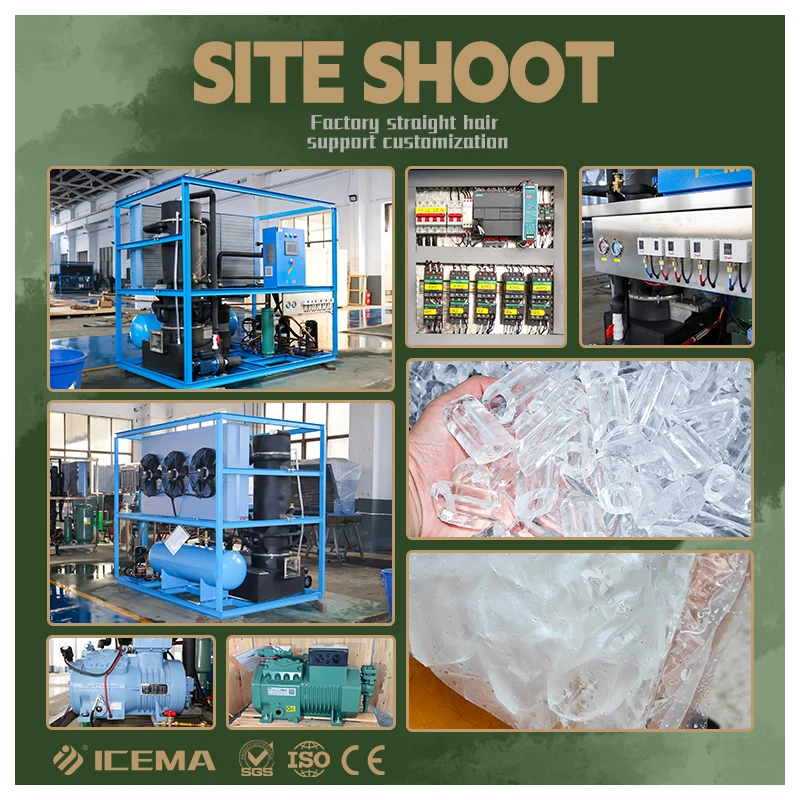
Commercial ice plants are increasingly turning to tube ice machines configured with automated packing solutions to streamline their operations for local distribution. This setup not only enhances efficiency but also ensures consistent quality in ice production, which is vital for various industries, including food service, pharmaceuticals, and construction. , we will explore how commercial ice plants choose tube ice machine lines, the key specifications for automated packing, installation guidance, applications across industries, and quality control strategies for tube ice production and packing.
How Commercial Ice Plants Choose Tube Ice Machine Lines
When selecting tube ice machine lines, commercial ice plants prioritize several key factors. First, they assess the production capacity required to meet their demand. This involves understanding peak usage times and ensuring that the chosen machine can produce enough ice within those timeframes. Additionally, plants consider the technology and efficiency of the machine, as modern units often offer improved energy consumption and operational costs.
Another critical consideration is the machine’s compatibility with automated packing systems. Integration is essential for maintaining workflow efficiency. Plants should evaluate the machine's layout, ensuring that it accommodates the automated packing line without bottlenecks. Additionally, potential buyers should consider the machine's maintenance requirements, as easier maintenance can reduce downtime and costs in the long run.
Finally, the experience and reputation of the manufacturer, such as Shanghai Icema Refrigeration Technology Co., Ltd., can play an essential role in the decision-making process, as established companies typically offer more reliable products and better support.
Key Specifications for Automated Packing in Ice Machine Systems
Automated packing systems for tube ice machines require specific technical specifications to ensure efficient operation. Key specifications include the ice tube dimensions, as these affect the packing density and shipping efficiency. Tube ice typically ranges from 25 to 50 millimeters in diameter and can be produced in various lengths, depending on customer requirements.
Another crucial specification is the packing rate, which indicates how quickly the automated system can package the ice once produced. This rate should align with the output capacity of the tube ice machine to prevent delays. Additionally, the packing system should be evaluated for its compatibility with different packaging materials, such as plastic bags or bulk containers, depending on the distribution model.
Temperature control is also a significant factor. The packing system should maintain the ice at optimal temperatures to prevent melting during transit. This requires insulated packing solutions and possibly temperature monitoring systems to ensure that ice quality is retained during delivery.
Installation Guidance for Automated Tube Ice Packing Solutions
Proper installation of automated tube ice packing solutions is crucial for optimizing performance and ensuring longevity. When setting up the system, it's important to follow the manufacturer’s guidelines regarding space requirements, as adequate room is needed for both the ice machine and the packing equipment.
During installation, alignment is key—ensure that the ice discharge from the tube ice making machine directly feeds into the packing system without obstructions. Any misalignment can lead to operational inefficiencies and increased wear on the equipment.
It's also advisable to conduct a thorough training session for the operational staff during installation. Understanding how to interact with the automated systems properly can help reduce errors and enhance productivity. Maintenance access points should also be clearly marked to facilitate ease of service in the future.
Applications of Tube Ice Machines in Various Industries
Tube ice machines are versatile and find application across numerous industries. In the food and beverage sector, they provide essential cooling for food storage and transportation, ensuring freshness and quality. Restaurants and catering services often prefer tube ice for its slow melting properties, which keep drinks cold without diluting them rapidly.
In the pharmaceuticals industry, tube ice is utilized for the transportation and storage of temperature-sensitive products. Hospitals and clinics also use tube ice for medical procedures that require cooling, such as surgeries or cryogenics.
Construction firms benefit from tube ice for concrete cooling during hot weather, preventing premature setting and ensuring structural integrity. Furthermore, tube ice is ideal for aquaculture, where it helps maintain optimal water temperatures for fish farming, enhancing survival rates and growth.
Quality Control Strategies for Tube Ice Production and Packing
Implementing robust quality control strategies is essential for maintaining high standards in tube ice production. Quality control begins at the sourcing of water, which must meet health and safety regulations. Regular testing should be conducted to ensure that the water quality is consistent and suitable for ice production.
During production, monitoring equipment should be in place to track the ice-making process. This includes checking the machine's operating temperatures, monitoring cycle times, and ensuring that ice quality meets predefined specifications. Sampling ice at various stages can help identify any issues early on.
For the packing process, automatic ice machine should include sensors to ensure that the ice is packed at the right temperature and in the correct formats. Regular maintenance checks and calibration of the packing equipment will help prevent malfunctions that could compromise ice quality.
Overall, by implementing stringent quality control measures and leveraging advanced technology, commercial ice plants can optimize their tube ice production and packing processes, thereby meeting the demands of their customers effectively.
Table of Contents
- How Commercial Ice Plants Choose Tube Ice Machine Lines
- Key Specifications for Automated Packing in Ice Machine Systems
- Installation Guidance for Automated Tube Ice Packing Solutions
- Applications of Tube Ice Machines in Various Industries
- Quality Control Strategies for Tube Ice Production and Packing


