
 EN
 AR
 BG
 CS
 DA
 NL
 FI
 FR
 DE
 EL
 HI
 IT
 JA
 KO
 NO
 PT
 RU
 ES
 SV
 TL
 ID
 LV
 UK
 VI
 GL
 HU
 TH
 TR
 AF
 MS
 GA
 BE
 BN
 EO
 JW
 LA
 MN
 MY
 UZ
 GD

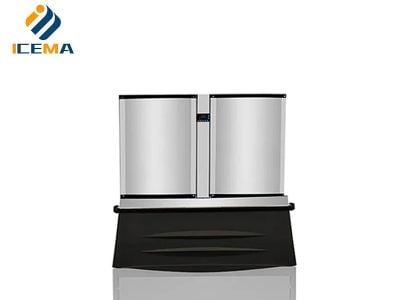
In the fast-paced environment of a seafood plant, the functionality of ice cube machines is crucial for maintaining an efficient cold chain. However, when these machines begin to fail, the repercussions can be severe, impacting not only product quality but also overall operational efficiency. This article explores what a failing Ice cube machine quietly does to a seafood plant's cold chain on a busy afternoon, addressing key concerns for purchasing managers and operators in the industry.
What Failing Ice Cube Machines Mean for Seafood Cold Chains?
A seafood plant relies heavily on maintaining the integrity of its cold chain, which ensures that the seafood remains fresh from the moment it is harvested until it reaches the consumer. Large ice cube maker play a vital role in this process, providing the necessary cooling to preserve the quality of seafood. When these machines fail, several issues arise:
Temperature Fluctuations: A malfunctioning ice cube machine can lead to inadequate cooling, resulting in temperature fluctuations that compromise the quality and safety of the seafood products. This can lead to spoilage and loss of product integrity.
Increased Operational Costs: The need for emergency repairs or replacements can substantially increase operational costs. Furthermore, if seafood is compromised, the financial loss can escalate due to waste and potential penalties from regulatory bodies.
Disruption in Supply Chain: Any delays in production due to equipment failure can disrupt the supply chain, leading to missed deliveries and dissatisfied customers. This can have a long-term impact on market reputation and customer trust.
Understanding these implications emphasizes the importance of selecting a reliable ice cube machine and maintaining it properly.
Quality and Reliability Factors
Quality and reliability are paramount when selecting an ice cube machine for seafood applications. Key factors include:
Material Durability: Stainless steel is often preferred for ice cube machines because it resists corrosion and can withstand the rigorous cleaning required in seafood processing environments.
Energy Efficiency: Given the operational costs involved in refrigeration, energy-efficient models can significantly reduce electricity bills while maintaining performance.
Output Capacity: Machines should be capable of meeting the peak demands of the plant. Assessing the expected ice consumption based on production schedules is crucial for selecting an appropriately sized machine.
Maintenance Requirements: Machines that are easier to maintain can reduce downtime and repair costs. Regular maintenance schedules should be established to ensure optimal performance.
Investing in high-quality ice cube machines that offer reliability can pay long-term dividends in a seafood processing environment.
Cost Considerations for Bulk Ice Cube Machine Purchases
When considering bulk purchases of ice cube machines, several cost factors come into play:
Initial Purchase Price vs. Total Cost of Ownership: It is essential to evaluate not just the purchase price but also the total cost of ownership, which includes energy consumption, maintenance, and potential downtime costs.
Long-Term Warranty Options: A robust warranty can protect against unforeseen failures and reduce overall costs. Buyers should consider the length and coverage of warranty options when comparing machines.
Financing and Leasing Options: For many companies, financing or leasing can make acquiring high-quality Industrial ice cube machine more manageable by spreading the cost over time.
Bulk Purchase Discounts: Companies should inquire about discounts for bulk purchases, which can significantly decrease the overall expenditure.
It is advisable for buyers to conduct a comprehensive cost analysis, factoring in these elements to make an informed decision.
Common Problems with Ice Cube Machines and Their Solutions
Ice cube machines, despite their necessity, can encounter several common problems that can hinder their performance:
Clogged Lines: Ice machines can experience clogging due to mineral build-up, which can restrict water flow. Regular maintenance and the use of descaling solutions can prevent this issue.
Electrical Failures: Power surges or faulty wiring can lead to electrical failures. Implementing a surge protector can help minimize this risk.
Temperature Inconsistencies: If the machine struggles to maintain the set temperature, it may indicate a refrigerant leak or compressor issues. Regular inspections and prompt repairs are crucial to avoid more significant problems.
Ice Quality Issues: Poor ice quality can be traced back to water quality or machine maintenance. Ensuring that high-quality water is used and performing regular cleaning can mitigate this concern.
Understanding these common issues and their solutions can help operators maintain the efficiency of their ice cube machines and minimize downtime.
Understanding the Role of Ice Cube Machines in Cold Chain Management
In cold chain management, ice cube machines serve as a critical link in ensuring product safety and quality. The role of these machines includes:
Rapid Cooling: Ice cube machines provide quick and efficient cooling, essential for preserving the freshness of seafood. This rapid cooling helps to minimize bacterial growth, extending the shelf life of products.
Flexibility in Application: Ice can be used not only for cooling but also for packing and transporting seafood. This makes ice cube machines versatile tools within the cold chain.
Integration with Other Systems: Modern ice cube machines can be integrated with other refrigeration systems and monitoring technologies, allowing for real-time monitoring of temperatures and operational status.
For seafood processing plants, understanding the multifaceted role of ice cube machines in cold chain management can lead to better operational strategies and improved product quality.
Recognizing the critical function of ice cube machines in seafood cold chains is essential for maintaining product quality and operational efficiency. By addressing potential failures, investing in high-quality machines, and understanding the associated costs, purchasing managers can ensure that their operations remain smooth and profitable.


