
 EN
 AR
 BG
 CS
 DA
 NL
 FI
 FR
 DE
 EL
 HI
 IT
 JA
 KO
 NO
 PT
 RU
 ES
 SV
 TL
 ID
 LV
 UK
 VI
 GL
 HU
 TH
 TR
 AF
 MS
 GA
 BE
 BN
 EO
 JW
 LA
 MN
 MY
 UZ
 GD

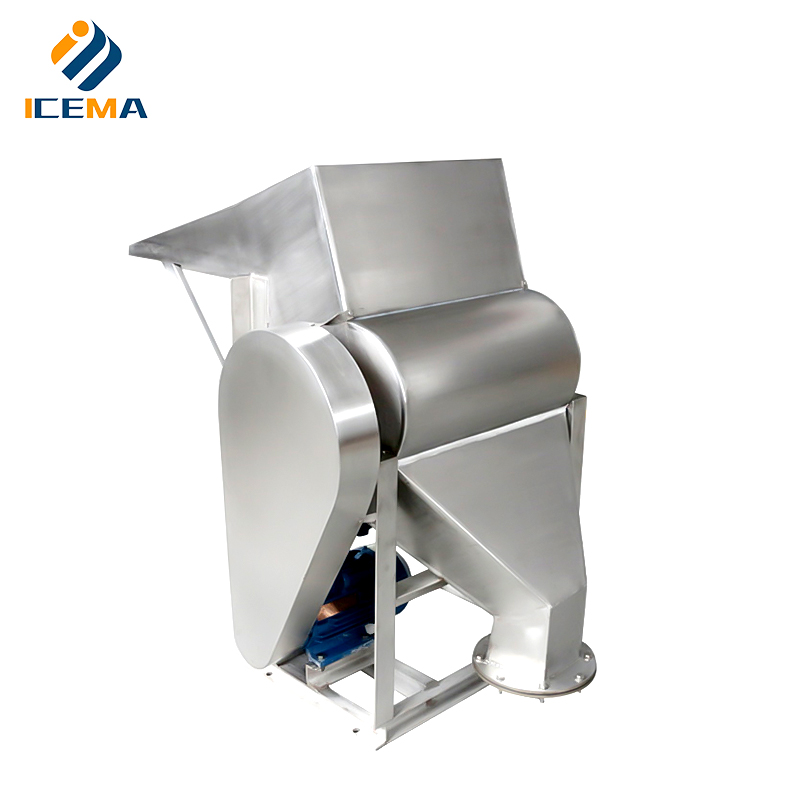
Understanding the real cost of owning industrial ice machines requires a thorough analysis of the total cost of ownership (TCO). This encompasses not only the initial purchase price but also operational expenses, maintenance, and potential downtime. For purchasing managers and engineers, the implications of these costs are significant when evaluating the overall value of ice machines for their business needs. This article will guide you in assessing the multifaceted costs associated with industrial ice machines, helping you make more informed purchasing decisions.
How to Choose the Right Ice Machine for Your Business Needs
Selecting the right auto ice machine begins with understanding your specific requirements. Factors to consider include the type of ice needed be it block, flake, or slurry as each type serves different applications. For instance, flake ice is ideal for seafood and meat processing due to its rapid cooling properties, while block ice is often used in larger scale operations for longer-lasting cooling.
Next, assess your production capacity needs. Determine how much ice your business requires daily and match that with the machine's output. For instance, if your operation demands 5 tons of ice per day, ensure the machine can meet or exceed this requirement under peak loads.
Lastly, evaluate the space and installation requirements. Consider the machine's size and the conditions of the installation site. Adequate ventilation, drainage, and power supply must be available to ensure optimal performance.
Key Specifications to Evaluate in Industrial Ice Machines
When assessing industrial ice machines, focus on the following key specifications:
Production Capacity: Measured in tons per day, this indicates how much ice the machine can produce. It's crucial to select a machine that meets your business's peak demand without overburdening it.
Energy Efficiency Rating: Look for machines with high energy efficiency ratings to minimize operating costs. An energy-efficient model may have a higher upfront cost but can lead to significant savings in electricity bills over time.
Ice Thickness and Quality: Depending on your application, the thickness and quality of the ice produced may be vital. For example, some applications require a specific ice size to ensure optimal cooling, which can affect food preservation and product quality.
Durability and Material Construction: The materials used in the construction of the ice machine can influence its lifespan and maintenance needs. Stainless steel is often preferred for its corrosion resistance and ease of cleaning.
Control Systems: Advanced control systems can enhance operational efficiency. Look for features such as programmable settings, remote monitoring, and automated maintenance alerts to streamline your operations.
Understanding the Hidden Costs of Ice Machine Ownership
Beyond the initial investment, hidden costs can significantly impact the total cost of ownership for ice machines. Consider the following factors:
Energy Costs: Ice production can be energy-intensive. Evaluate the energy consumption of the unit and factor in local electricity rates to gauge long-term costs. Energy-efficient models may have higher upfront costs but can save money in the long run.
Maintenance and Repairs: Regular maintenance is essential to prolong the life of your electric ice machine. Factor in the costs of routine servicing, parts replacement, and potential repairs. Understanding the manufacturer's warranty and service agreements is also crucial for budgeting.
Water and Drainage Costs: Ice machines require a consistent water supply, and the cost of water can accumulate, particularly in areas with high rates. Additionally, consider drainage requirements, as improper drainage can lead to inefficiencies and maintenance issues.
Downtime Costs: If your ice machine fails, the downtime can lead to substantial losses, especially in food processing or medical applications. Investing in reliable, high-quality machines can reduce the frequency of breakdowns.
Where to Source Reliable Industrial Ice Machines for Your Projects
When sourcing industrial ice machines, prioritize suppliers with a proven track record in manufacturing and distribution. Start by identifying reputable manufacturers, such as Shanghai Icema Refrigeration Technology Co., Ltd., known for their extensive range of refrigeration systems and ice machines.
Evaluate potential suppliers based on the following criteria:
Product Range: Ensure the manufacturer offers a variety of ice machines that suit your specific needs be it block, flake, or slurry ice.
Customization Options: Depending on your application, you may need specific features or capacities. A manufacturer that offers customization can better cater to your unique business requirements.
Certifications and Compliance: Check for relevant industry certifications that attest to the quality and safety of the machines. This not only ensures compliance with local regulations but also enhances trust in the supplier's products.
Customer Support and Service: Reliable after-sales support is crucial. Look for suppliers that provide comprehensive warranties and readily available customer service for troubleshooting and maintenance assistance.
Quality Control Measures in Manufacturing Ice Machines
Quality control is critical in the manufacturing of industrial ice machines to ensure reliability and efficiency. At Shanghai Icema Refrigeration Technology Co., Ltd., rigorous quality control measures are implemented throughout the production process.
Key quality control steps include:
Material Inspection: Before production, all materials undergo thorough inspections to ensure they meet specified standards. This helps identify potential weaknesses that could affect the machine's performance.
In-Process Testing: Throughout the manufacturing process, various tests are conducted to monitor each stage, ensuring that assembly aligns with design specifications. This includes checking welds, electrical connections, and component alignments.
Final Product Testing: Once assembled, commercial ice machine are tested under real operating conditions. This testing simulates actual usage scenarios to evaluate performance and identify any issues that may need addressing before delivery.
Customer Feedback Integration: After installation, feedback from customers is collected and analyzed to continuously improve product design and manufacturing processes. This commitment to quality helps ensure that machines perform reliably in diverse applications worldwide.
By understanding these factors, you can better navigate the complexities of industrial ice machine ownership and make an informed decision that aligns with your operational needs and budget considerations.


