
 EN
 AR
 BG
 CS
 DA
 NL
 FI
 FR
 DE
 EL
 HI
 IT
 JA
 KO
 NO
 PT
 RU
 ES
 SV
 TL
 ID
 LV
 UK
 VI
 GL
 HU
 TH
 TR
 AF
 MS
 GA
 BE
 BN
 EO
 JW
 LA
 MN
 MY
 UZ
 GD

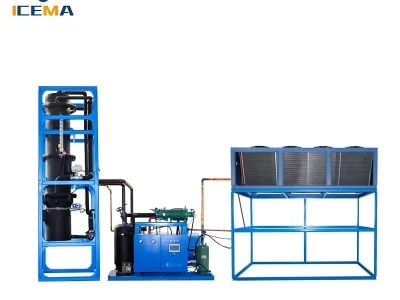
When qualifying an industrial ice machine supplier for multi-site deployment, procurement directors have several critical factors to audit. The complexity of industrial refrigeration systems requires a thorough understanding of product specifications, quality control measures, cost factors, installation considerations, and potential operational issues. This article will guide procurement professionals through the essential aspects to evaluate when selecting a supplier for industrial ice machines, ensuring a well-informed purchasing decision.
How to Assess Quality Control in Industrial Ice Machines?
Quality control is paramount in the manufacturing of industrial ice machines, as it directly impacts performance and reliability. Procurement directors should look for suppliers with established quality assurance processes. This includes audits of raw material sourcing, manufacturing practices, and final inspection protocols.
Key elements to assess include:
Certifications: Determine if the supplier holds relevant certifications, which indicate adherence to industry standards. ISO certifications, for instance, demonstrate a commitment to quality management systems.
Quality Inspection Processes: Understand the supplier's inspection methods at various stages of production. This includes checking for dimensional accuracy, material integrity, and functionality tests under operational conditions.
Supplier Track Record: Review the supplier's history with previous clients, particularly in multi-site deployments. Feedback from other procurement directors can provide insights into the supplier's reliability and quality consistency.
By ensuring robust quality control measures are in place, procurement directors can mitigate risks associated with Ice making machines failure or subpar performance.
Key Specifications to Compare for Ice Machine Procurement
When evaluating industrial ice machines, several specifications must be compared to ensure they meet operational needs. These specifications can significantly influence performance, energy efficiency, and overall cost.
Production Capacity: This refers to the amount of ice produced in a specified timeframe. Understanding the required output for each site is crucial to match the machine's capacity.
Type of Ice Produced: Different applications may require different types of ice (block, flake, or slurry). Each type has unique properties that affect its suitability for various uses, such as food preservation or industrial cooling.
Energy Consumption: Look for Commercial ice machine that balance performance with energy efficiency. Lower energy consumption can lead to significant cost savings over time, especially in multi-site operations where multiple units are deployed.
Material Quality: The materials used in construction impact durability and maintenance needs. Stainless steel is commonly preferred for its resistance to corrosion and ease of cleaning.
Understanding and comparing these specifications will help procurement directors select machines that align with operational requirements and budget constraints.
Understanding Cost Factors in Ice Machine Purchases
Cost considerations extend beyond the initial purchase price of industrial ice machines. Several factors influence the total cost of ownership, making it essential for procurement directors to perform a comprehensive cost analysis.
Initial Purchase Price: While this is the most straightforward cost, it's crucial to consider how it fits within the overall budget, especially if multiple units are required.
Operational Costs: Assess ongoing expenses related to energy consumption, maintenance, and water usage. Machines with higher energy efficiency ratings may have a higher upfront cost but can lead to lower operational costs.
Maintenance and Repairs: Evaluate the expected maintenance schedule and costs associated with parts replacement. Some Industrial ice machine may require more frequent servicing, which can lead to higher long-term costs.
Customizations: If specific features or customizations are required, these can add to the overall cost. Understand the implications of modifying standard machines versus opting for a tailored solution.
By thoroughly analyzing these cost factors, procurement directors can make more informed purchasing decisions that align with both budget and operational goals.
Installation Guidance for Multi-Site Ice Machine Deployment
Successful deployment of industrial ice machines across multiple sites requires careful planning and execution. Procurement directors should consider the following aspects during the installation phase:
Site Assessment: Each site may present unique challenges, such as space limitations, electrical requirements, and water supply availability. Conducting a thorough site assessment before installation can identify potential issues.
Installation Expertise: Ensure that the supplier provides or recommends qualified technicians for installation. Proper installation is critical for optimal machine performance and longevity.
Training for Personnel: Employees who will operate and maintain the machines should receive adequate training. This ensures they understand how to use the machines effectively and recognize potential issues early.
Integration with Existing Systems: Consider how the new ice machines will integrate with current systems, such as refrigeration or cooling processes. Compatibility can affect overall efficiency and functionality.
By addressing these installation considerations, procurement directors can facilitate a smoother deployment process and enhance the operational efficiency of their ice machines.
Common Problems with Ice Machines and Their Solutions
Understanding potential issues that may arise with industrial ice machines can help procurement directors prepare for maintenance and troubleshooting. Here are common problems along with their potential solutions:
Ice Quality Issues: Problems such as cloudiness or unusual taste can arise from poor water quality or insufficient filtration. Regularly testing and treating water sources can help maintain ice quality.
Mechanical Failures: Components may wear out or fail over time. Establishing a routine maintenance schedule can catch issues early before they lead to machine downtime.
Energy Inefficiency: If machines are consuming more energy than expected, it may indicate a need for maintenance or replacement of worn parts. Regular performance reviews can help identify inefficiencies.
Control System Malfunctions: Digital controls may fail due to electrical issues or software bugs. Ensure that the supplier offers robust support and has a clear path for firmware updates.
By being aware of these common problems and their solutions, procurement directors can better manage the lifecycle of their ice machines and ensure continuous operational performance.
In summary, qualifying an industrial ice machine supplier for multi-site deployment involves a comprehensive evaluation of quality control, specifications, cost factors, installation guidance, and common operational issues. By focusing on these key areas, procurement directors can make informed decisions that enhance operational efficiency and meet their organization's needs.


