
 EN
 AR
 BG
 CS
 DA
 NL
 FI
 FR
 DE
 EL
 HI
 IT
 JA
 KO
 NO
 PT
 RU
 ES
 SV
 TL
 ID
 LV
 UK
 VI
 GL
 HU
 TH
 TR
 AF
 MS
 GA
 BE
 BN
 EO
 JW
 LA
 MN
 MY
 UZ
 GD

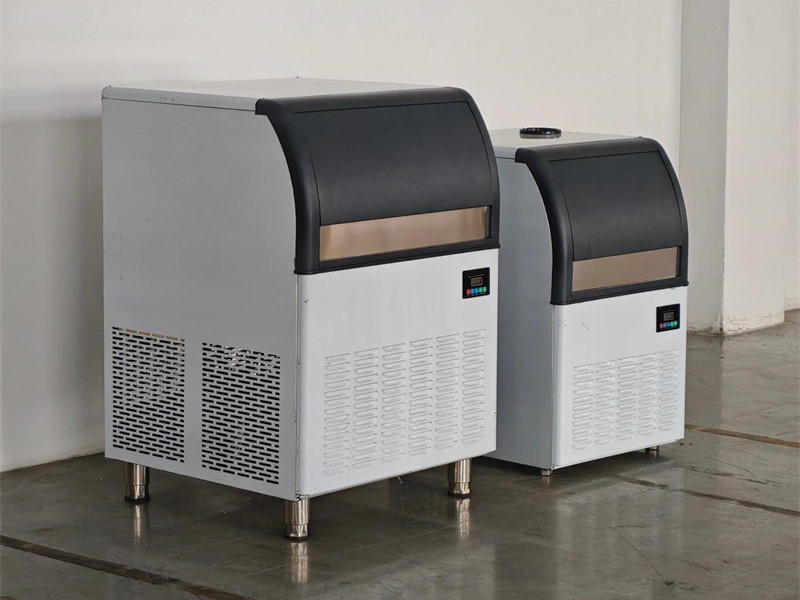
Sourcing reliable ice maker machines for your global cold chain project involves understanding the specific needs of your applications and ensuring that the suppliers meet those requirements. As a purchasing manager or engineer, you want to ensure that the ice makers you choose are not only efficient but also reliable in varying conditions. This article will guide you through evaluating suppliers, understanding installation, troubleshooting common issues, material advantages, and making informed purchasing decisions for ice maker machines.
How to Evaluate the Reliability of Ice Maker Suppliers Globally
When sourcing Industrial ice maker machines, reliability is key. Start by assessing the supplier's manufacturing capabilities, including the technology they use and their production equipment. A reputable supplier should provide detailed information about their quality control processes and any certifications they hold, which can validate their manufacturing standards.
It’s also beneficial to inquire about their experience in the industry and their export markets. Companies like Shanghai Icema Refrigeration Technology Co., Ltd., which has a broad range of products, including block ice, flake ice, and slurry ice makers, often have the experience necessary to handle diverse requirements. Requesting references from previous clients can provide insights into their reliability and customer service. Additionally, ensure they have a robust support system for after-sales service, as this can be critical in maintaining your cold chain operations.
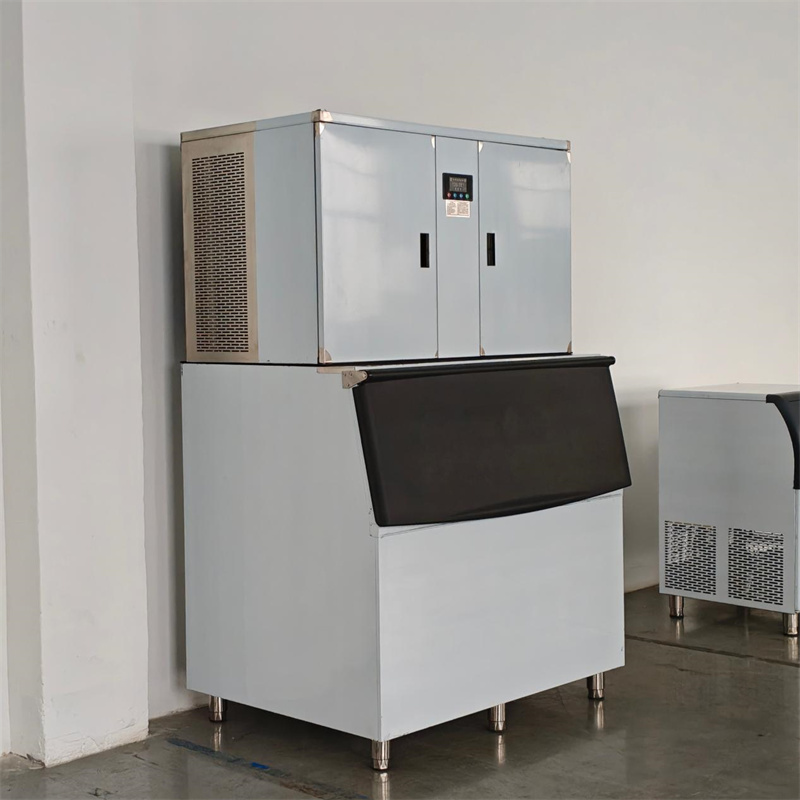
Installation Guidance for Efficient Use of Ice Maker Machines
Proper installation of ice maker machines is crucial for their performance and longevity. Begin by reviewing the installation guidelines provided by the manufacturer. These often include site preparation requirements, electrical and plumbing specifications, and optimal placement to ensure efficient airflow and drainage.
For instance, ensure that the machine is installed in an environment that meets its operational temperature and humidity specifications. This can prevent common issues like ice buildup and inefficient operation. It is also advisable to have the installation performed by qualified professionals to minimize errors. Consider scheduling a training session for your team on operational protocols and maintenance tasks, which can enhance the machine's performance and lifespan.
Common Problems with Ice Maker Machines and Practical Solutions
Commercial ice maker machines can encounter several issues, which may affect your operations. Common problems include insufficient ice production, mechanical failures, and water quality issues.
Insufficient Ice Production: This can be due to improper installation, such as inadequate clearance for ventilation. Ensure that the machine is installed with the recommended space around it for optimal airflow. Additionally, check if the water supply is adequate and meets quality standards.
Mechanical Failures: Regular maintenance checks can help identify potential mechanical failures. Implementing a routine maintenance schedule can prolong the life of the machine and ensure it operates efficiently.
Water Quality Issues: The quality of water used in the ice maker can significantly affect the ice’s clarity and safety. Regular filtration system checks and water quality assessments are recommended to avoid contamination.
By addressing these common issues promptly, you can maintain the efficiency and reliability of your ice maker machines.
Understanding Material Advantages in Ice Maker Machine Manufacturing
The materials used in ice maker manufacturing significantly influence their performance and durability. For instance, stainless steel is commonly used because of its resistance to corrosion and ease of cleaning, making it ideal for food and beverage applications.
When selecting ice maker machines, consider the advantages of various components. For example, insulated panels can enhance energy efficiency by maintaining low temperatures with less energy consumption. Evaluate the thickness and quality of insulation, as this directly impacts the machine's energy costs and operational effectiveness.
Moreover, inquire about the sourcing of materials. Suppliers with a commitment to high-quality materials are likely to produce more reliable and long-lasting machines. Understanding these material advantages allows you to make better purchasing decisions based on your operational requirements.
How to Make Informed Purchasing Decisions for Ice Maker Machines
To make informed purchasing decisions, start by compiling a list of your specific requirements, including ice production capacity, type of ice needed, and any customization options. When requesting quotes, provide detailed information such as the expected volume of ice, the intended application, and any special features you may need.
Compare suppliers based on their product specifications, pricing, and lead times. A lower price may not always equate to a better deal if the machine's quality or performance is compromised. Additionally, consider the total cost of ownership, including maintenance, energy consumption, and potential downtime costs.
Before finalizing your purchase, request samples or demonstration units when possible. This allows you to evaluate the machine's performance in real-world conditions. Confirm any warranties and after-sales support agreements, as these can provide peace of mind and protection for your investment.
By following these guidelines, you can ensure that the Flake ice maker machines you source will meet your operational needs and support your global cold chain project effectively.
Table of Contents
- How to Evaluate the Reliability of Ice Maker Suppliers Globally
- Installation Guidance for Efficient Use of Ice Maker Machines
- Common Problems with Ice Maker Machines and Practical Solutions
- Understanding Material Advantages in Ice Maker Machine Manufacturing
- How to Make Informed Purchasing Decisions for Ice Maker Machines


