
 EN
EN
 AR
AR
 BG
BG
 CS
CS
 DA
DA
 NL
NL
 FI
FI
 FR
FR
 DE
DE
 EL
EL
 HI
HI
 IT
IT
 JA
JA
 KO
KO
 NO
NO
 PT
PT
 RU
RU
 ES
ES
 SV
SV
 TL
TL
 ID
ID
 LV
LV
 UK
UK
 VI
VI
 GL
GL
 HU
HU
 TH
TH
 TR
TR
 AF
AF
 MS
MS
 GA
GA
 BE
BE
 BN
BN
 EO
EO
 JW
JW
 LA
LA
 MN
MN
 MY
MY
 UZ
UZ
 GD
GD

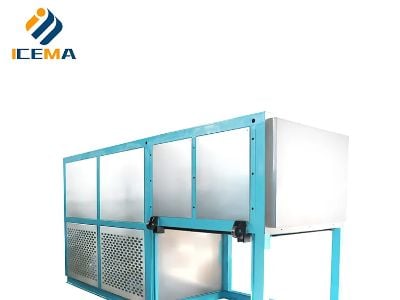
Concrete pours in peak summer heat are being cured with an industrial ice machine rather than chilled water, a solution that addresses the challenges of maintaining optimal curing conditions in hot weather. As purchasing managers and engineers know, the right curing method directly affects the strength and durability of concrete. This article will explore the benefits of using industrial Flake ice machine, key specifications to consider when selecting one, how to find reliable suppliers, and the common issues associated with chilled water methods.
Understanding the Benefits of Industrial Ice Machines for Concrete Curing
Using an industrial ice machine for concrete curing offers several advantages over traditional chilled water methods. First, it provides a consistent and controlled cooling temperature, which is crucial for preventing thermal cracking and ensuring uniform curing. The ice produced can be added directly to the mixing water or used separately in curing blankets, maintaining the desired temperature throughout the curing phase.
Additionally, ice machines can produce large quantities of ice quickly, which is particularly beneficial during extensive concrete pours typical in summer months. This rapid production allows for immediate use, minimizing delays and enhancing productivity on-site. Furthermore, the use of ice can improve concrete workability, allowing for better placement and finishing, ultimately leading to higher quality results.
Key Specifications for Choosing the Right Ice Machine for Summer Pours
When selecting an industrial ice machine for concrete curing, several key specifications should be considered. Capacity is paramount; the machine must be able to produce the required amount of ice based on the size of the project and the volume of concrete being poured.
1. Ice Type: Different types of ice, such as flake ice or block ice, may be suited for different applications. Flake ice has a larger surface area, which allows it to rapidly cool water, making it ideal for immediate use in mixing. Block ice, on the other hand, is denser and may be more suitable for longer-term storage or transport.
2. Production Rate: This refers to how quickly the machine can produce ice, usually measured in tons per day. High-capacity Ice machine freezer are essential for large projects to ensure that ice is available when needed.
3. Energy Efficiency: As energy costs can be significant, choosing an energy-efficient model can lead to savings over time. Look for machines that have energy-saving features or those that use environmentally-friendly refrigerants.
4. Durability and Maintenance: Machines designed for heavy-duty use will typically require less maintenance and have longer lifespans. Consider models that come with easy-to-access parts for maintenance and repairs.
Finding Reliable Ice Machine Suppliers for Projects
When sourcing ice machines, reliability is crucial. Start by researching suppliers with a solid reputation in the industry. Look for companies that specialize in refrigeration systems and have experience in providing equipment for construction and concrete applications.
Request references from previous clients to ensure that the supplier has a history of delivering quality products and support. Additionally, assess their customer service capabilities, including response times for maintenance and technical support.
Another important factor is the availability of custom solutions. Depending on your specific project needs, you may require modifications or additional features. A supplier with a strong customization capability can work with you to ensure that the equipment meets your exact specifications.
Optimizing Ice Machines for Effective Curing
To maximize the effectiveness of ice machines in concrete curing, it’s essential to optimize their use on-site. Begin by ensuring that the ice produced matches the specific requirements of the concrete mix and the environmental conditions.
1. Integration with Mixing Processes: Ice should be added at the right stage of the mixing process. For instance, adding ice directly to the mixing water can help lower the overall temperature effectively.
2. Monitoring Temperature: Implement systems to monitor the temperature of both the mix and the surrounding environment. This data can inform adjustments to the ice usage, ensuring that the concrete maintains an optimal curing temperature.
3. Training Operators: Proper training for operators on how to use the ice machines and integrate them into the curing process is vital. This training should cover best practices for ice production, handling, and application to prevent operational issues.
Common Problems with Chilled Water and How Ice Machines Solve Them
Chilled water methods, while common, present several challenges, especially during peak summer heat. One major issue is the difficulty in maintaining a consistent temperature. Variations in ambient temperature can affect the chilled water’s efficiency, leading to inadequate cooling.
Moreover, transporting chilled water can be cumbersome and may require additional infrastructure, which can increase project costs. In contrast, Flake ice maker machine eliminate the need for extensive piping or storage solutions, providing a simple and direct method for delivering cooling directly to the concrete.
Another problem is the risk of thermal shock when chilled water is introduced to hot concrete. This can lead to cracking and reduced structural integrity. Ice, when introduced gradually, allows for a more controlled cooling process, reducing the likelihood of thermal shock and ensuring better curing conditions.
as the construction industry continues to adapt to climate challenges, the use of industrial ice machines for concrete curing presents a reliable solution. By understanding the benefits, specifications, and supplier options, purchasing managers can make informed decisions that ultimately enhance the quality and durability of concrete structures.
Table of Contents
- Understanding the Benefits of Industrial Ice Machines for Concrete Curing
- Key Specifications for Choosing the Right Ice Machine for Summer Pours
- Finding Reliable Ice Machine Suppliers for Projects
- Optimizing Ice Machines for Effective Curing
- Common Problems with Chilled Water and How Ice Machines Solve Them


