
 EN
 AR
 BG
 CS
 DA
 NL
 FI
 FR
 DE
 EL
 HI
 IT
 JA
 KO
 NO
 PT
 RU
 ES
 SV
 TL
 ID
 LV
 UK
 VI
 GL
 HU
 TH
 TR
 AF
 MS
 GA
 BE
 BN
 EO
 JW
 LA
 MN
 MY
 UZ
 GD

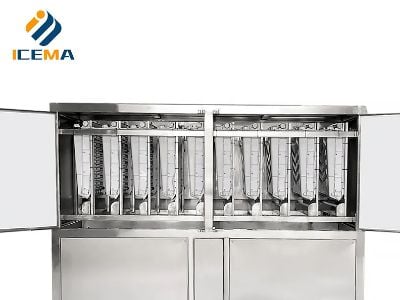
Flake ice machines play a crucial role in maintaining precise cold chain temperature control, particularly for pharmaceutical and food companies. These machines produce flake ice, which is highly effective for cooling and preserving temperature-sensitive products. This article addresses the main concerns of B2B buyers, such as specifications, quality, installation, applications, and common issues related to Flake ice machine. By understanding these factors, purchasing managers and distributors can make informed decisions when sourcing these essential refrigeration systems.
Key Specifications to Consider When Sourcing Flake Ice Machines
When sourcing a flake ice machine, several key specifications should be evaluated to ensure optimal performance. These include the machine’s production capacity, ice thickness, and energy consumption.
Production Capacity: This specification indicates how much flake ice the machine can produce within a given timeframe, typically measured in kilograms per hour. It is essential to select a capacity that aligns with your operational needs, ensuring that you can maintain consistent cold chain practices without interruption.
Ice Thickness: Flake ice is available in various thicknesses, which can affect its cooling efficiency and application suitability. Thicker flakes are often preferred for applications requiring longer-lasting cooling, while thinner flakes may be ideal for rapid chilling.
Energy Consumption: The efficiency of the machine is critical for long-term operational cost management. Look for machines with energy-efficient designs and technologies that reduce electricity usage without compromising on performance.
Materials and Construction: The durability of the machine depends on the materials used. Stainless steel is often preferred for its resistance to corrosion and ease of cleaning, which is vital in food and pharmaceutical applications.
Certifications: Ensure the Ice flake making machine complies with relevant industry standards and certifications, such as CE or ISO, to guarantee safety and reliability.
Finding Quality Flake Ice Machines for Food Safety
Quality is paramount when selecting flake ice machines for food safety. The production process should comply with strict hygiene standards to prevent contamination. When evaluating potential suppliers, consider the following factors:
Quality Control Processes: Investigate the manufacturer’s quality assurance protocols. Regular inspections and testing during production can help ensure that the machines meet industry standards for food safety.
Material Selection: The materials used in the construction of the flake ice machine should be food-grade and resistant to corrosion. This is particularly important in food processing environments, where hygiene is critical.
Supplier Reputation: Research the manufacturer’s reputation in the industry. Look for reviews, case studies, and testimonials from other buyers in the food sector. A supplier with a proven track record is likely to provide reliable machines and support.
Customization Options: Some manufacturers offer customization capabilities, allowing businesses to tailor machines to specific needs. This could include modifications to ice production capacity or machine size to fit particular operational layouts.
Installation Guidance for Flake Ice Machines in Cold Chain Systems
Proper installation of flake ice machines is crucial for ensuring effective cold chain management. Here are some key considerations:
Site Assessment: Before installation, conduct a thorough assessment of the installation site. Ensure there is adequate space for the machine, along with necessary plumbing and electrical connections.
Temperature Control: Flake ice machines should be installed in a temperature-controlled environment to maintain optimal performance and efficiency. High ambient temperatures can increase energy consumption and reduce ice production rates.
Ventilation: Proper ventilation is crucial to prevent overheating of the machine. Ensure that there is adequate airflow around the unit to maintain optimal operating conditions.
Professional Installation: It is advisable to have the machine installed by professionals to ensure compliance with safety and operational guidelines. This can also include guidance on integrating the ice machine into existing cold chain systems.
Applications of Flake Ice in Pharmaceuticals and Food Industries
Flake ice is widely used across both pharmaceutical and food industries due to its versatility and effectiveness in temperature control.
Pharmaceutical Applications: In the pharmaceutical sector, flake ice is essential for the transportation and storage of temperature-sensitive vaccines and medications. Its rapid cooling properties help maintain the integrity of these products during transit and storage.
Food Processing: In the food industry, flake ice is often utilized in seafood processing, meat storage, and packed food distribution. It provides an effective cooling medium that helps preserve freshness and extend shelf life.
Food Display: Many food retailers use flake ice in display cases to keep perishable items at safe temperatures. This not only enhances product quality but also improves customer appeal.
Chemical Applications: Flake ice can also be used in various chemical processes where temperature control is critical, ensuring that reactions occur under optimal conditions.
Common Problems with Flake Ice Machines and Effective Solutions
Despite their reliability, flake ice machines can encounter several common issues. Understanding these problems and their solutions can help buyers ensure consistent operation.
Ice Blockage: A frequent issue is ice blockage within the machine, which can reduce efficiency. Regular maintenance and cleaning of the ice-making area can help prevent this problem. Additionally, ensuring that the water supply is clean and free of impurities can minimize the risk of blockages.
Water Quality: Poor water quality can lead to scaling and other issues that affect ice production. Using filtered or treated water can improve the performance and lifespan of the machine.
Electrical Failures: Electrical issues can disrupt operations. Implementing a regular inspection schedule for electrical components can help identify potential problems before they lead to machine failure.
Temperature Fluctuations: Fluctuations in ambient temperature can impact machine efficiency. Ensuring proper insulation and maintaining a stable environment can help mitigate this issue.
By addressing these common problems proactively, companies can enhance the reliability of their ice flake making machine and maintain effective cold chain operations.
In summary, flake ice machines are essential for pharmaceutical and food companies seeking precise cold chain temperature control. By considering key specifications, ensuring quality, and understanding installation and application requirements, businesses can make informed decisions when sourcing these critical refrigeration systems.
Table of Contents
- Key Specifications to Consider When Sourcing Flake Ice Machines
- Finding Quality Flake Ice Machines for Food Safety
- Installation Guidance for Flake Ice Machines in Cold Chain Systems
- Applications of Flake Ice in Pharmaceuticals and Food Industries
- Common Problems with Flake Ice Machines and Effective Solutions


